Listening With Your Eyes: The Quiet Intelligence Behind Exceptional Companionship
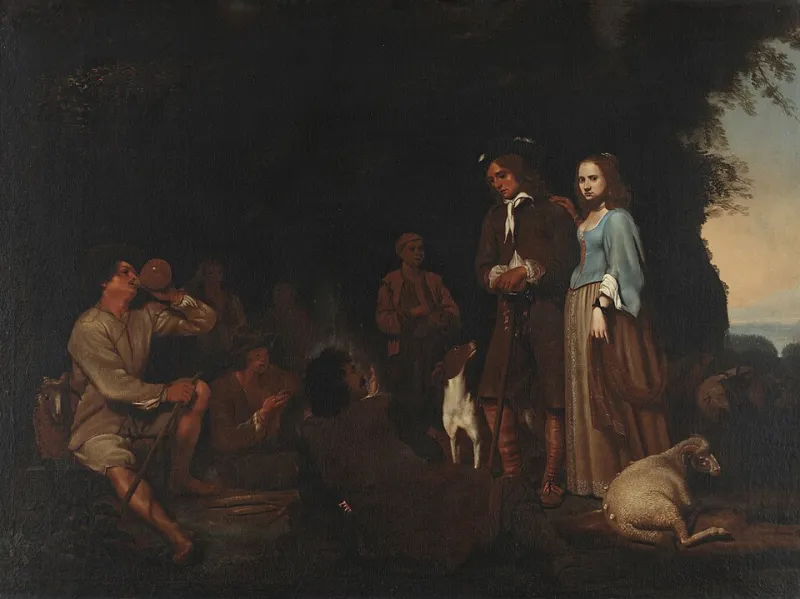
Photo: Michiel Sweerts, Public domain, via Wikimedia Commons
There is a particular kind of awareness that the most discerning clients carry into every engagement—a calm, unhurried attentiveness that has nothing to do with grand romantic gestures or elaborate planning. It is, at its core, the capacity to notice. To observe without staring. To respond without being asked. This quality, more than any other, is what companions at Jasmine Companions consistently describe as the hallmark of a client worth remembering.
In a culture that increasingly prizes volume—louder opinions, bolder moves, more visible displays of confidence—the art of quiet attentiveness has become genuinely rare. And precisely because it is rare, it is extraordinarily valuable.
Why Non-Verbal Signals Matter More Than You Think
Human communication, as most behavioral researchers will confirm, is overwhelmingly non-verbal. Tone, posture, micro-expressions, the pace of breathing, the direction of a gaze—these carry far more information than the words that accompany them. In a companionship context, this reality is amplified. Professional companions are skilled at maintaining warmth and composure, which means the signals they send are often subtle rather than declarative.
A companion who shifts her posture slightly, who becomes quieter in a particular conversational thread, or who glances toward the door of a crowded venue is communicating something. She may not say, I'd prefer we move somewhere quieter, but the message is present for those trained to receive it. The exceptional client receives it.
This is not about surveillance or hypervigilance. It is about the kind of relaxed, generous attention you might extend to a close friend—the awareness that comes from genuinely caring about another person's comfort rather than simply managing the logistics of an evening.
Creating Space Without Demanding It Be Filled
One of the most underestimated gifts a client can offer is the permission to simply exist without performance. Many companions, particularly those new to a client, carry a professional instinct to be consistently engaging, consistently charming, consistently on. An emotionally intelligent client gently dismantles that expectation—not through explicit conversation, but through the atmosphere he creates.
Practically, this might look like allowing silences to breathe rather than rushing to fill them. It might mean choosing a venue that offers a degree of privacy and acoustic comfort rather than a high-energy environment that demands constant projection. It might mean ordering a second round of drinks at a measured pace, signaling that there is no schedule pressing in from either side.
These choices communicate something profound: I am not here to extract an experience from you. I am here to share one with you. That distinction, felt rather than spoken, changes everything.
Recognizing Comfort Levels Without a Formal Checklist
Sophisticated clients understand that comfort is not a fixed state—it is dynamic, responsive to environment, energy, and the unfolding of an evening. A companion who was entirely at ease during cocktails may become slightly reserved once a venue grows louder and more crowded. A companion who seemed initially composed may visibly relax once a genuine moment of shared humor passes between you.
Reading these shifts requires a willingness to stay curious rather than assumptive. Rather than deciding in advance what the evening will look like and then executing that vision, the attentive client remains genuinely open to where the interaction is naturally heading.
This also means being honest with yourself about what you are observing. If a companion appears fatigued, if her engagement seems effortful rather than genuine, the gracious response is to acknowledge the shift—gently, without making her feel observed or evaluated. Something as simple as suggesting a change of scenery, offering a quieter corner of a restaurant, or wrapping an evening earlier than planned can communicate more respect than any compliment.
The Difference Between Attentiveness and Projection
There is an important distinction worth drawing here. Attentiveness means responding to what is actually present. Projection means deciding what someone must be feeling and then responding to your own interpretation rather than to them.
A client who assumes his companion must be having a wonderful time—because the venue is exceptional and the champagne is excellent—and who proceeds accordingly regardless of her actual energy, is not being attentive. He is, however unintentionally, prioritizing his own narrative over her lived experience.
True attentiveness requires a degree of intellectual humility: the recognition that you do not always know what someone else is experiencing, and that asking—through your behavior, your choices, your willingness to adjust—is always more respectful than assuming.
Building an Environment of Genuine Ease
The physical and social environment you curate for an engagement communicates your priorities before a single word is exchanged. A private dining room at a well-regarded restaurant signals consideration. A venue chosen specifically because it aligns with interests your companion has mentioned signals that you were listening during previous conversations. Small, specific gestures—remembering a preference, anticipating a need before it is voiced—accumulate into an atmosphere of genuine care.
This is not about performance. It is not about demonstrating how attentive you are. It is about actually being attentive, consistently, because you understand that the quality of a shared experience is directly proportional to the quality of presence each person brings to it.
At Jasmine Companions, the clients who form the most enduring and genuinely rewarding arrangements are those who have internalized this understanding. They are not necessarily the most extravagant spenders or the most socially prominent individuals. They are the ones who make their companions feel genuinely seen—and that, in any context, is among the most sophisticated things a person can do.
A Practice, Not a Performance
Emotional intelligence is not a trait you either possess or lack. It is a capacity that deepens with intention and practice. Each engagement offers an opportunity to become more perceptive, more responsive, more genuinely present. The clients who approach companionship with this orientation—curious, humble, attentive—find that the experiences they share are richer, more authentic, and far more memorable than anything choreography alone could produce.
The art of anticipation is, ultimately, the art of caring enough to pay attention. And in a world that rarely slows down long enough to notice, that attention is among the most generous things you can offer.