Speaking the Language of Connection: How Thoughtful Communication Elevates Every Companionship Experience

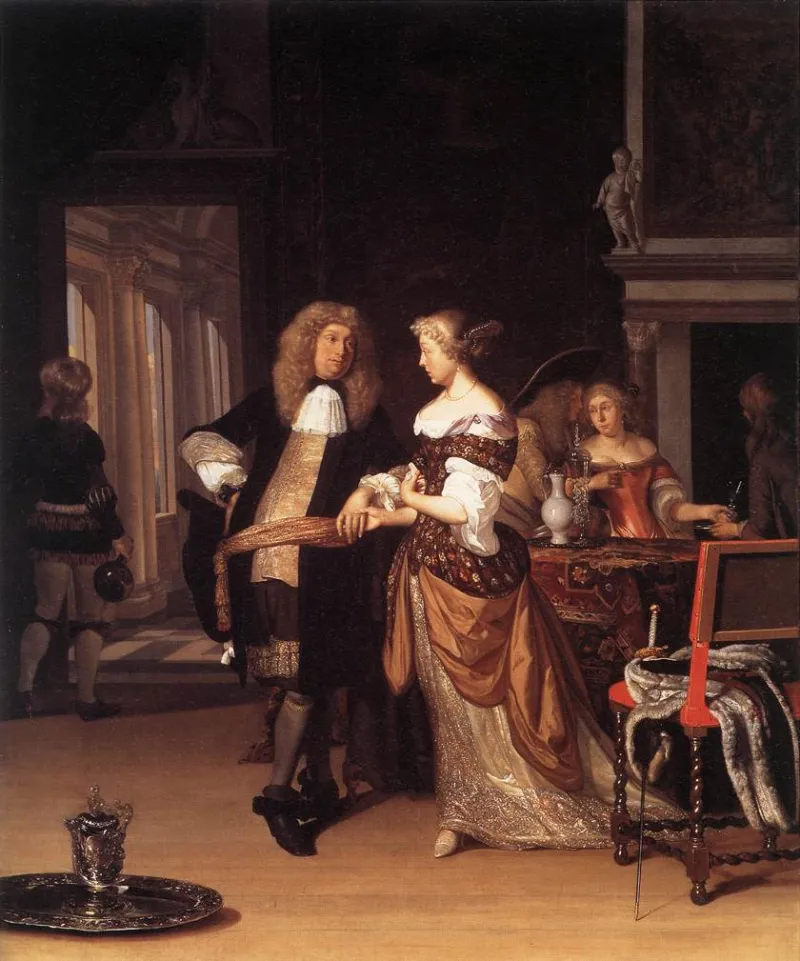
Photo: engraved by Eberhard Kieser, published by Daniel Meisner, reproduced from an original copper plate print (1625) by Palauenc05, Public domain, via Wikimedia Commons
There is a reason the most satisfied clients at Jasmine Companions return not simply for the time they spend, but for the quality of that time. Luxury companionship, at its finest, is not transactional in spirit — it is relational. And the single greatest determinant of whether an engagement feels perfunctory or profoundly enjoyable is the nature of the conversation that unfolds within it.
For many clients, particularly those accustomed to high-pressure professional environments, the art of genuine dialogue can feel surprisingly elusive. The habits that serve well in boardrooms — brevity, authority, efficiency — do not always translate into the kind of warm, reciprocal exchange that makes companionship truly rewarding. Fortunately, meaningful conversation is a skill, and like all skills, it responds well to intentional practice.
Arrive Present, Not Preoccupied
The single most common barrier to authentic connection is mental distraction. Clients who arrive still processing a difficult meeting, scrolling through emails, or mentally rehearsing tomorrow's agenda are, in a very real sense, not fully in the room. A companion — regardless of how skilled and gracious she may be — cannot manufacture genuine intimacy with someone who is only partially present.
Before your appointment, consider building in a brief transition period. Whether that means a short walk, a quiet drink at the hotel bar, or simply sitting in silence for ten minutes, giving your mind permission to disengage from the demands of the day is one of the most generous things you can do — both for yourself and for the experience ahead.
Presence is not a passive state. It is an active choice to direct your attention toward the person in front of you, to notice the small details of how she speaks, what she finds amusing, and where her own curiosity lies.
The Quiet Power of Active Listening
In American social culture, conversation is frequently treated as a performance — a sequence of anecdotes and opinions delivered in turn. Genuine listening, by contrast, is rarer and far more compelling. When a companion senses that a client is truly absorbing what she says, rather than simply waiting for his turn to speak, the dynamic shifts in a meaningful way.
Active listening involves more than maintaining eye contact. It means allowing a thought to fully land before responding, asking follow-up questions that demonstrate you registered what was said, and resisting the impulse to redirect the conversation back to yourself. A simple acknowledgment — "That's a perspective I hadn't considered" or "Tell me more about that" — signals genuine engagement and invites the kind of candid, relaxed dialogue that makes time together feel effortless.
Clients who listen well are, almost universally, described as the most enjoyable to spend time with. This is not coincidental.
Asking Questions That Open Doors
Not all questions are equally generative. Closed questions — those that can be answered with a yes or no — tend to flatten conversation, while open-ended questions invite elaboration, opinion, and personality. The distinction matters enormously in a companionship context.
Rather than asking, "Did you enjoy traveling here?" consider asking, "What's the most interesting city you've spent time in, and what made it stand out?" Rather than "Do you like art?" try "What kind of creative work genuinely moves you?" These small pivots invite a companion to share something authentic about herself, and authenticity — on both sides — is what transforms a pleasant evening into something genuinely memorable.
It is also worth noting that the most engaging conversations tend to follow a thread rather than hop between subjects. When something your companion says sparks genuine curiosity, pursue it. Allow the dialogue to develop organically rather than working through a mental checklist of topics.
Creating an Atmosphere That Invites Openness
Environment shapes conversation in ways that are easy to underestimate. A quiet corner table at a well-chosen restaurant, a well-appointed hotel suite with thoughtful ambient lighting, or a private lounge away from the noise of a crowded bar — these choices communicate that you value the quality of the experience, not merely its convenience.
When planning your time together, consider the setting as carefully as you would any other detail. Loud, chaotic environments make genuine conversation difficult. Overly formal or sterile settings can feel inhibiting. The ideal atmosphere is one that feels relaxed, private, and slightly removed from the ordinary rhythms of daily life.
Similarly, the pacing of an evening matters. Rushing through dinner or arriving late and leaving early sends a signal — however unintentional — that the time itself is not particularly valued. Companions consistently note that clients who allow an evening to unfold at a natural pace, without urgency, tend to enjoy the richest and most satisfying experiences.
Emotional Intelligence as a Companionship Skill
Emotional intelligence — the capacity to recognize, understand, and respond thoughtfully to the emotional states of others — is perhaps the most underrated asset a client can bring to a companionship engagement. It encompasses the ability to read the room, to notice when a topic lands well or falls flat, and to adjust accordingly without making the adjustment feel awkward or clinical.
This does not require formal training or psychological sophistication. It requires, above all, a genuine interest in the person across from you. Companions are skilled professionals who bring warmth, intelligence, and considerable social grace to every engagement. When a client meets that grace with his own attentiveness and curiosity, the result is a kind of conversational reciprocity that elevates the experience well beyond the sum of its parts.
A Final Note on Authenticity
Perhaps the most important thing to understand about meaningful conversation in a companionship context is that it does not require performance. Clients sometimes feel pressure to be more interesting, more worldly, or more charming than they naturally are. This pressure is both unnecessary and counterproductive.
Companions at Jasmine Companions are experienced in the art of putting clients at ease. They are not there to evaluate or judge — they are there to connect. The most effective thing any client can do is simply to show up as himself: curious, attentive, and genuinely open to the experience.
Conversation, at its best, is not something you have. It is something you share. And the clients who understand that distinction tend to find that their time with a professional companion is among the most enjoyable and restorative they spend.