The Unspoken Introduction: Grooming, Fragrance, and Wardrobe as Courtesy

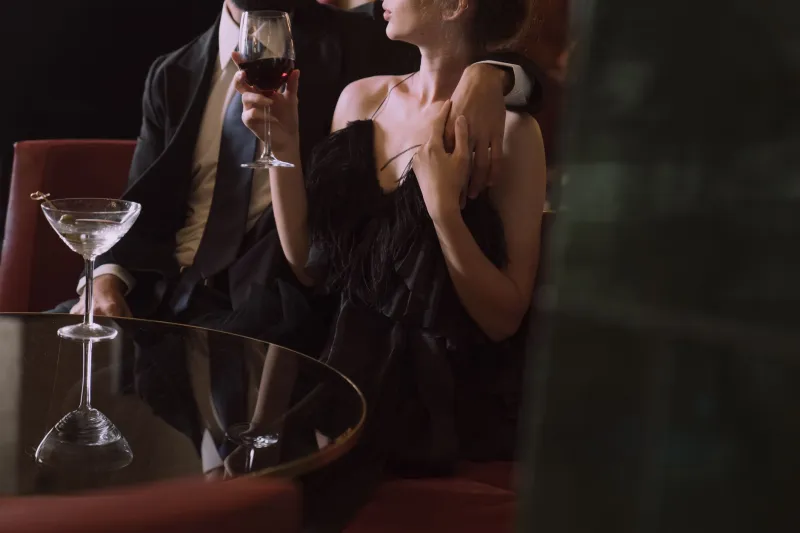
Photo: man grooming fragrance wardrobe close up preparation, via images.pexels.com
The first impression in a companionship engagement is rarely verbal. Before a greeting is exchanged, before a name is confirmed, the room has already received a set of signals: the cut of a jacket, the cleanliness of a collar, the faint trace of fragrance, the condition of hands. These signals are not superficial. In close quarters, they are a form of communication, and like any communication, they can be considerate or careless.
Presentation as Consideration
Personal presentation is often discussed as a matter of self-expression. For the client preparing to meet a professional companion, it is more useful to think of it as courtesy. The companion has prepared for the engagement — grooming, wardrobe, punctuality, attention. The client who matches that preparation signals respect for the companion's time and for the shared experience. The goal is not to impress through expense. It is to remove distraction and create ease.
Grooming: The Foundation of Ease
Grooming is the quietest part of presentation and the most noticeable when neglected. A recent shower, clean hair, trimmed nails, and fresh breath are not optional refinements; they are the baseline of close company. In the United States, where heating and air conditioning can dry skin and hair, a little attention to hydration and lip care goes further than a complicated routine. A client who has shaved or trimmed with care, who has checked that his collar and cuffs are clean, has already done more for the atmosphere than any designer label can.
It is also wise to consider the companion's perspective. Strong flavors before an engagement — garlic, onion, coffee, tobacco — linger. A mint is a small courtesy; a heavy meal immediately beforehand is a larger risk. The same applies to hands: clean, moisturized, and neatly kept hands are a basic sign of respect in any close interaction.
Fragrance: A Whisper, Not an Announcement
Fragrance is where consideration most often gives way to excess. A scent that seems subtle in a spacious room can become overwhelming in a car, an elevator, or a quiet lounge. The rule for close quarters is simple: less is more, and applied earlier is better than applied heavily at the last moment. One or two light applications on pulse points, or a single spray on the chest, is generally sufficient. Avoid layering multiple products — scented lotion, aftershave, cologne, and hair product can combine into an unintended cloud.
Some companions have sensitivities to particular ingredients or simply prefer a neutral atmosphere. A considerate client does not treat fragrance as a test of personality. He treats it as part of the environment he is asking another person to share. If in doubt, choose a lighter concentration or skip it altogether. Clean skin and fresh clothing are rarely unwelcome.
Wardrobe: Dressing for the Occasion, Not the Mirror
Wardrobe should answer a practical question: what will make the engagement feel appropriate and comfortable for both parties? A two-hour cocktail meeting calls for something different from a gallery walk or a dinner. The mistake is to dress for an imagined audience rather than the actual occasion. Overly formal clothing in a casual setting can create distance; overly casual clothing in a polished setting can seem careless.
Fit matters more than brand. Clean, pressed, well-fitted clothing signals attention. Shoes should be clean. A jacket should sit properly at the shoulder. In warmer American cities, breathable fabrics and a lighter layer are more courteous than heavy wool worn for effect. In colder months, a coat that can be checked or set aside without fuss makes the arrival smoother.
The companion will notice the effort, but the point is not to be noticed for effort. The point is to let the evening proceed without the friction of discomfort or incongruity.
The Room Reads You First
Before conversation begins, the companion is reading the room. Posture, pace, the way a client enters and settles — these are part of the same presentation. A calm entrance, a brief greeting, a willingness to let the companion set the immediate pace: all of this reinforces the visual signals of care. A client who arrives distracted, shedding coat and phone and complaints at once, undoes much of the preparation that grooming and wardrobe were meant to support.
A Final Check Before the Door
A final check is not vanity. It is the last courtesy before entering shared space. Breath fresh, hands clean, fragrance restrained, clothing straight, phone silenced. These are small acts, but they shape the first minutes of an engagement, and the first minutes shape the rest. In premium companionship, subtlety is not a lesser form of style. It is the form that makes close company pleasant.